
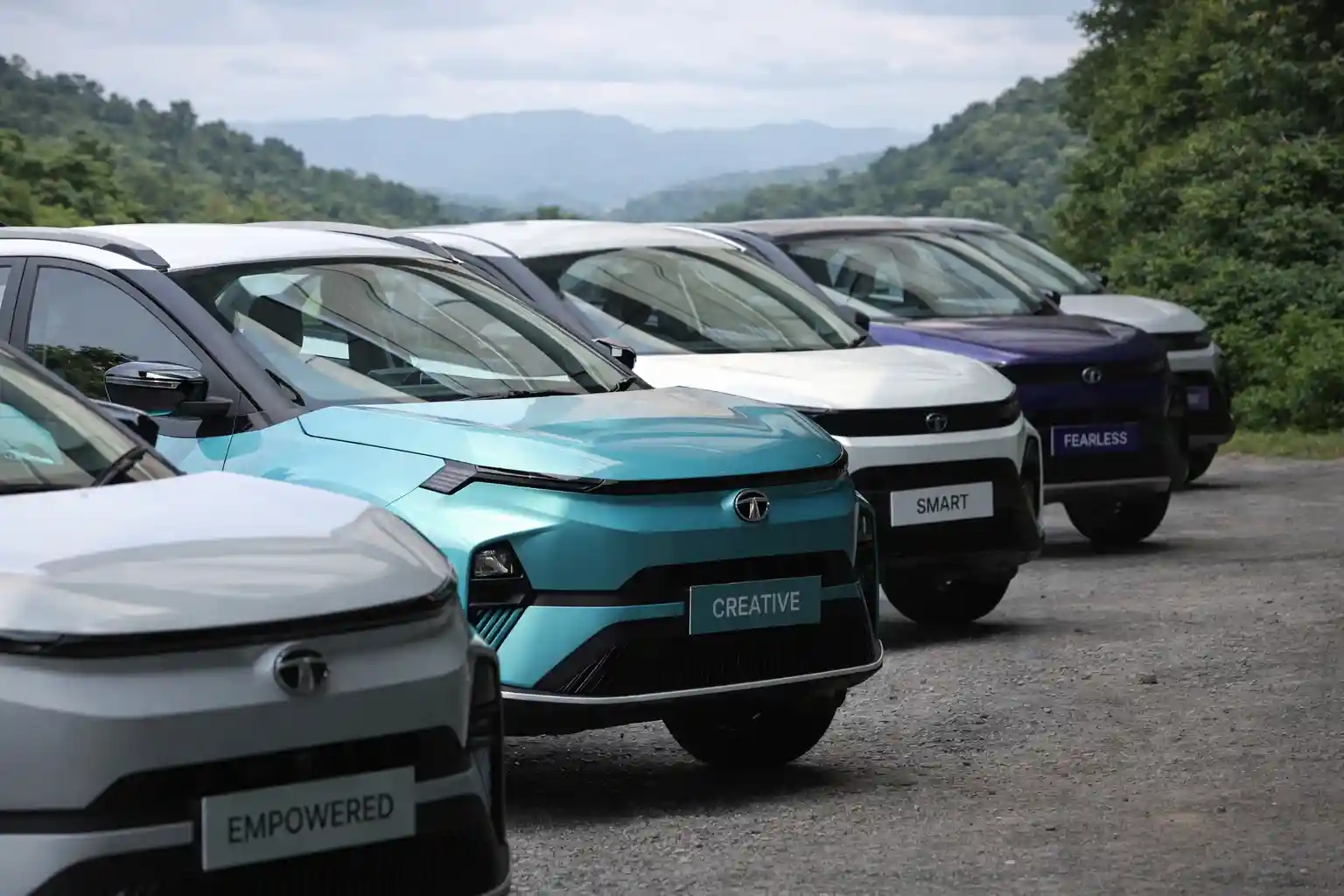
Tata Motors has achieved a major milestone in India’s electric vehicle journey. In just five years, the company’s electric vehicle (EV) sales have crossed 2.5 lakh units, firmly establishing Tata as the undisputed leader in the Indian EV space. At the heart of this success story is the Tata Nexon EV, which has emerged as the top-selling electric car in the country.
This achievement highlights not only Tata Motors’ early bet on EVs but also the growing acceptance of electric mobility among Indian car buyers.
Tata Motors’ EV Journey: A Quick Look Back
Tata Motors entered the Indian EV market at a time when electric cars were still considered niche and risky. Limited charging infrastructure, high costs, and range anxiety were major challenges.
Despite these hurdles, Tata:
Focused on mass-market EVs instead of premium-only models
Invested in local manufacturing
Built trust through reliable products and competitive pricing
The result is clear today—2.5 lakh EVs sold in just five years.
Nexon EV: The Backbone of Tata’s EV Success
The Tata Nexon EV has played the biggest role in this milestone.
Why Nexon EV Became India’s Favourite EV
Familiar and practical SUV body style
Multiple battery options for different needs
Strong safety image
Wide service network
Competitive pricing for an electric SUV
For many buyers, the Nexon EV became the first practical electric car that didn’t feel like a compromise.
Also Read :- Tata Avinya Explained: Design, Electric Range, Features & India Launch Details

Other Tata EVs That Contributed to the Milestone
While the Nexon EV leads from the front, other Tata EVs have also helped boost overall volumes.
Key Models in Tata’s EV Line-up
Tiago EV – Affordable entry point into EV ownership
Tigor EV – Practical electric sedan
Punch EV – Compact SUV with modern tech
Nexon EV – Flagship and best-seller
Together, these models allowed Tata Motors to cover multiple price segments, from budget buyers to premium compact-SUV customers.
Why Tata EVs Clicked with Indian Buyers
Several factors worked in Tata’s favour:
1. Right Pricing Strategy
Tata positioned its EVs at prices that felt justifiable against petrol and diesel rivals, especially considering long-term running cost savings.
2. Focus on Safety
Safety has been one of Tata’s strongest selling points. This helped build trust among family buyers, a crucial factor in India.
3. Improving Charging Ecosystem
Tata Power’s expanding charging network reduced range anxiety and made EV ownership more practical.
4. Government Support
EV subsidies, lower road tax, and registration benefits made Tata EVs even more attractive in many states.
How Big Is This Milestone for India?
Crossing 2.5 lakh EV sales is not just a Tata Motors achievement—it’s a big moment for India’s EV ecosystem.
It shows that:
EVs are moving beyond early adopters
Mass-market buyers are ready for electric cars
India’s charging infrastructure is improving steadily
Tata Motors’ success has also pushed rivals to accelerate their own EV plans, increasing competition and innovation.
Also Read :- Maruti Suzuki Confirms New Electric MPV Launch by End of 2026: What We Know So Far

Market Leadership: Tata’s Dominance in EV Space
In the Indian EV passenger car market, Tata Motors continues to:
Hold the largest market share
Lead in charging partnerships
Offer the widest EV portfolio among mass-market brands
This leadership position has given Tata a strong head start, which will be hard for competitors to match quickly.
What’s Next for Tata EVs?
After crossing this landmark, Tata Motors is not slowing down.
What to Expect Going Forward
New-generation EVs on advanced platforms
Longer range and faster charging
More premium electric cars
Improved software and connected features
Tata’s upcoming EV strategy aims to cater to both mass and premium segments, further strengthening its position.
Impact on Buyers
For Indian buyers, Tata’s EV success brings:
More confidence in choosing electric cars
Better resale value for Tata EVs
Faster improvement in charging infrastructure
Wider choice across price segments
As EV adoption grows, ownership costs are expected to reduce even further.
Final Verdict
The fact that Tata EV sales have crossed 2.5 lakh units in just five years is a clear sign that electric mobility is becoming mainstream in India. With the Nexon EV leading from the front, Tata Motors has successfully turned EVs from an experiment into a scalable business.
This milestone not only strengthens Tata’s leadership but also sets the tone for the next phase of India’s electric car revolution. If the momentum continues, Tata Motors is well on track to shape the future of electric mobility in the country.
Comments are closed.