
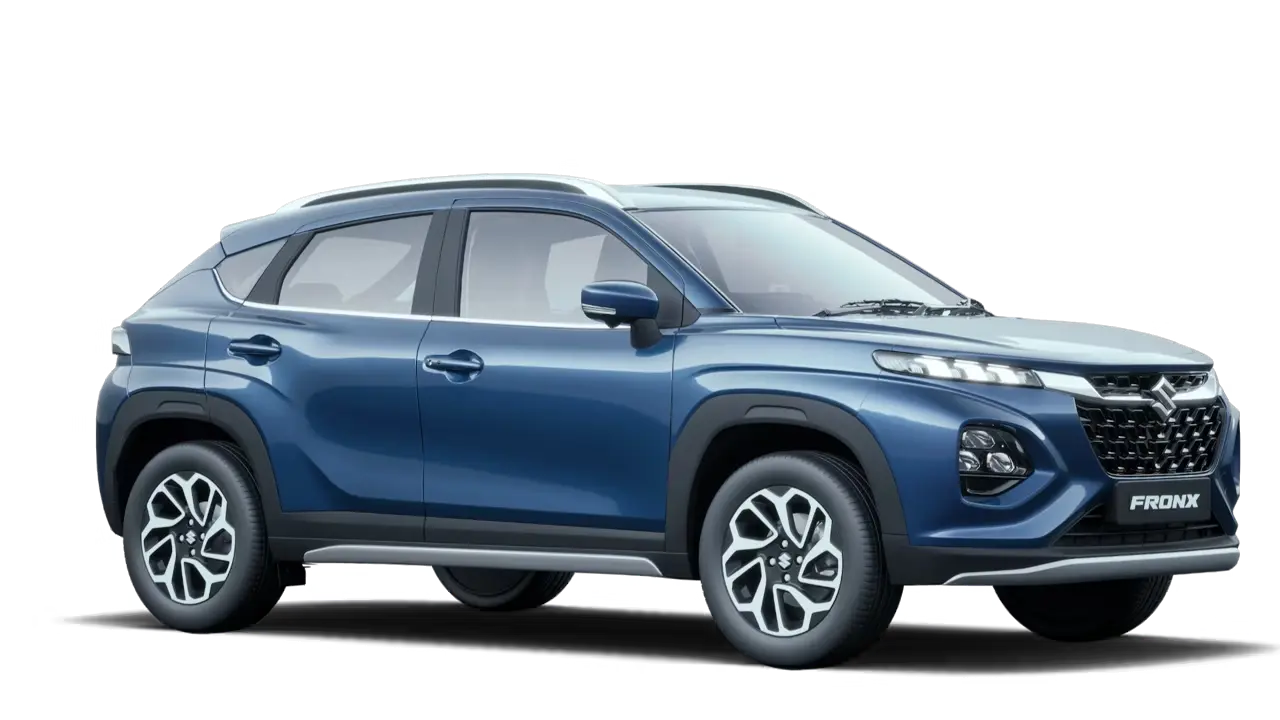
Suzuki has taken a significant and unusual step in the New Zealand market by halting sales of the Suzuki Fronx following a poor 1-star crash test rating. Adding to the concern, Suzuki has reportedly advised passengers to avoid using the rear seats, a move that has sparked widespread discussion about vehicle safety, regulatory standards, and regional differences in automotive compliance.
This development has drawn attention globally, especially in markets where the Fronx is performing well. Here’s a detailed look at what happened, why Suzuki took this decision, and what it means for buyers.
What Exactly Happened in New Zealand?
Suzuki New Zealand has paused new sales and bookings of the Fronx after the model received a 1-star safety rating in crash tests conducted under local assessment standards. Following the results, Suzuki issued guidance suggesting that rear seat occupancy should be avoided, indicating concerns related to rear passenger protection.
Key points to note:
Sales suspension applies only to New Zealand
This is not a global recall
Existing owners can still use and service their vehicles
The advisory is specific to rear seat passenger safety
Understanding the 1-Star Crash Test Rating
Crash test ratings are designed to evaluate how well a vehicle protects occupants during an accident. A 1-star rating generally indicates:
Limited protection in certain crash scenarios
Structural or restraint-related concerns
Performance below current safety expectations in that market
In New Zealand, safety assessment protocols can differ from those in other countries. Vehicles sold there often face stricter or differently weighted evaluation criteria, especially for rear-seat occupant protection.
Why the Rear Seat Advisory Is Important
Suzuki’s advice to avoid rear seat usage is particularly noteworthy. Rear seats are commonly used by families, making this a serious concern.
Possible reasons behind the advisory include:
Inadequate rear occupant protection in crash scenarios
Seatbelt or restraint effectiveness issues
Structural limitations identified during testing
Such advisories are rare and typically issued only when manufacturers believe temporary risk mitigation is necessary while they work on technical or regulatory solutions.
Is This a Recall or a Manufacturing Defect?
As of now:
❌ There is no official recall
❌ No announcement of a manufacturing defect
❌ No stop-drive notice
Suzuki has not indicated any widespread fault in the Fronx’s design or build quality. The move appears to be precautionary and market-specific, aimed at complying with local safety expectations and regulations.
Also Read :- GNCAP Crash Test Update: Maruti Celerio Scores Better, Ciaz Rated Just One Star

Why This Issue Is Limited to New Zealand
The Suzuki Fronx is sold across multiple global markets, including India, where it continues to perform well. The New Zealand situation is likely influenced by:
Different crash test protocols
Market-specific safety benchmarks
Regulatory or compliance interpretation differences
This means the same vehicle can receive different safety outcomes depending on where and how it is tested.
Impact on Existing Fronx Owners in New Zealand
For customers who already own a Suzuki Fronx in New Zealand:
Vehicle registration remains valid
Service and warranty support continue
No mandatory recall action has been announced
However, owners are expected to follow the rear-seat advisory until further clarification or updates are provided by Suzuki.
Does This Affect Suzuki Fronx Sales in India?
Short answer: No.
There has been no change announced for the Indian market. Reasons include:
India follows different crash testing and regulatory systems
The Fronx is a high-volume model in India
No similar safety advisories or sales halts have been issued
Indian buyers should see this as a regional issue, not a global safety failure.
Also Read :- Honda Confirms 6 New Car Launches in India Over the Next 2 Years: What’s Coming

Industry Perspective: A Rare but Strategic Move
From an automotive industry standpoint, Suzuki’s decision reflects:
A cautious and compliance-focused approach
Willingness to pause sales rather than risk regulatory issues
Recognition of evolving safety expectations
While the optics are not ideal, proactively halting sales can help manufacturers avoid larger legal or reputational challenges.
What Could Happen Next?
Suzuki is expected to:
Review crash test feedback in detail
Work on compliance or structural improvements if required
Resume sales once concerns are addressed
Issue updated guidance to customers
Such pauses are often temporary, especially in smaller markets like New Zealand.
What This Means for Buyers and the Market
For buyers, this development highlights:
The importance of checking local safety ratings
How regulations vary significantly by country
Why manufacturers sometimes take market-specific decisions
For the industry, it reinforces the growing importance of rear-seat passenger safety, an area that is increasingly under scrutiny worldwide.
Final Verdict
Suzuki’s decision to halt Fronx sales in New Zealand following a 1-star crash rating and issue a rear-seat advisory is a serious but market-specific development. While it raises valid safety questions in that region, there is no indication of a global issue with the model.
For most markets—including India—the Fronx continues unaffected. However, this episode serves as a reminder that safety standards are evolving, and automakers must continuously adapt to meet region-specific expectations.
Comments are closed.